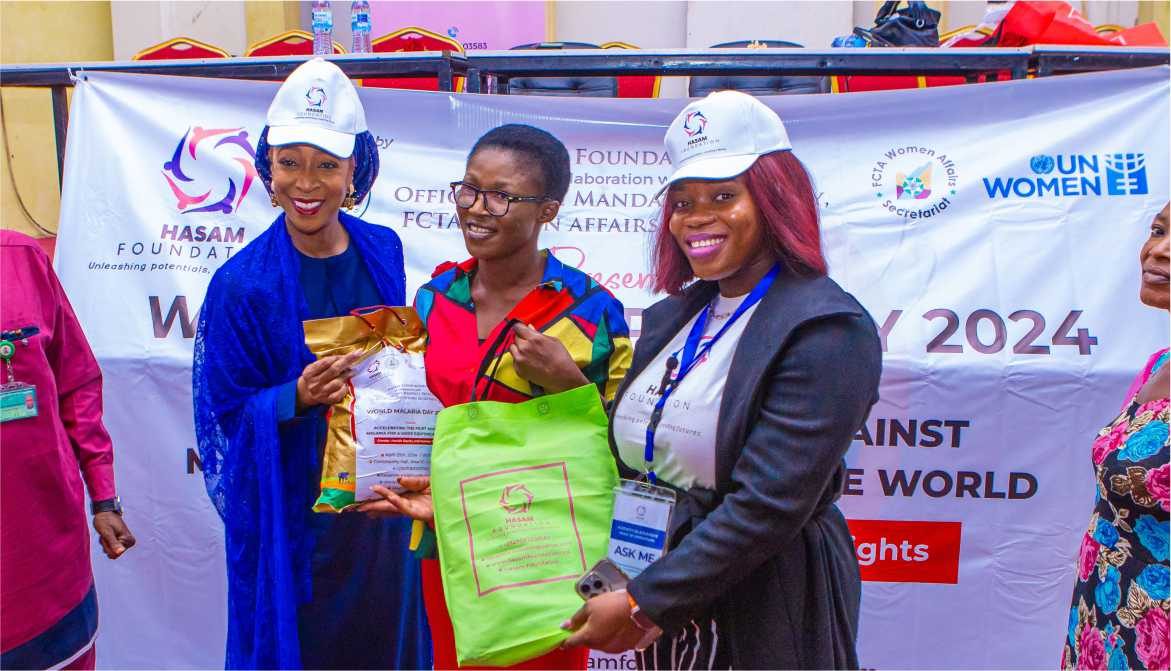
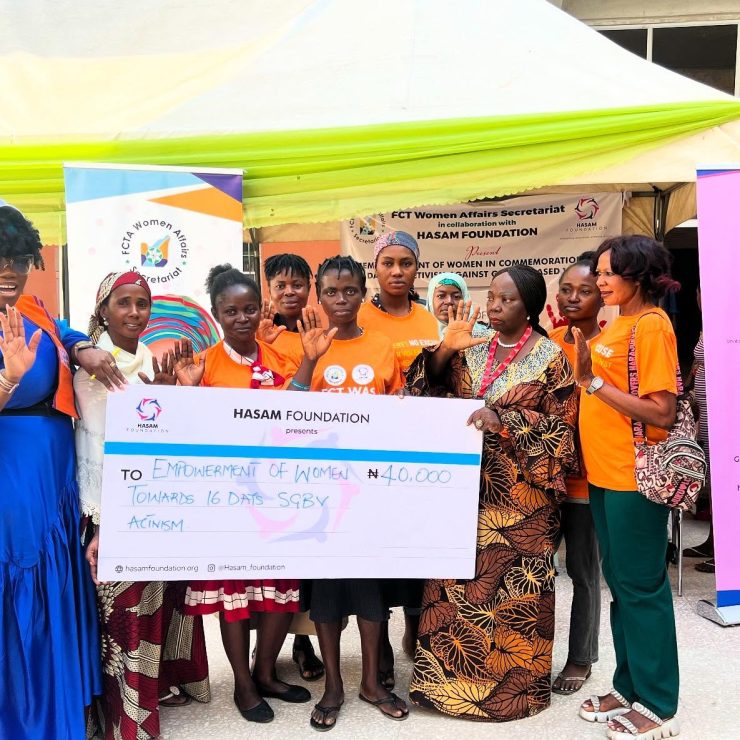
The Hasam Foundation, in collaboration with the Office of the Mandate Secretary, Federal Ministry of Women Affairs, FCTA and UN-WOMEN, successfully hosted its inaugural commemoration ofWorld Malaria DayonApril 25th, 2024.
Under the theme “Accelerating the Fight Against Malaria for a More Equitable World: Gender, Health Equity and Human Rights.” This collaboration marks a significant milestone in addressing malaria’s impact on vulnerable populations in Nigeria.
The Initiative
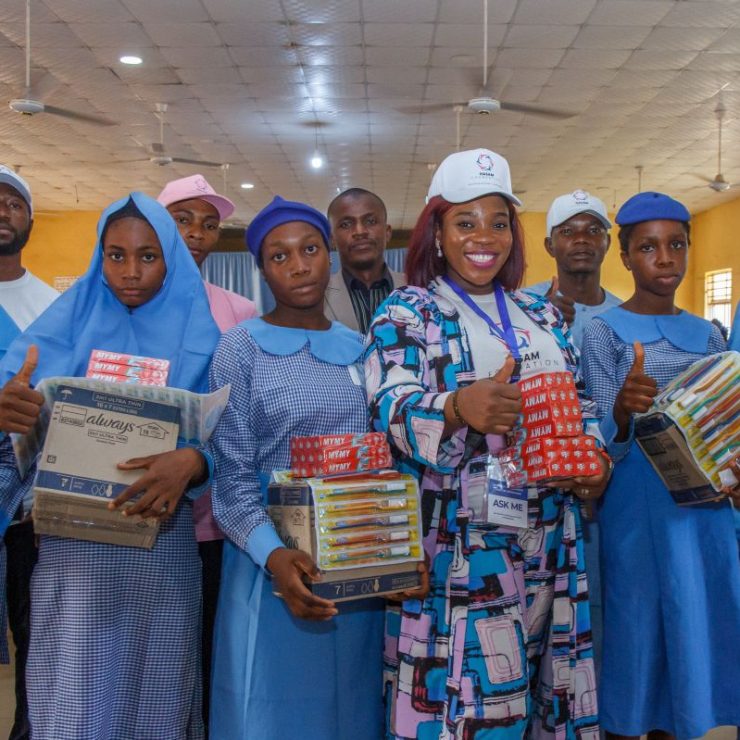
At the heart of this initiative is a comprehensive support program targeting 100 women living with HIV, providing them with essential resources including treated mosquito nets and 5kg of rice per beneficiary. This targeted approach recognizes the intersectionality of health challenges faced by vulnerable populations and implements practical solutions to address them.
Key Highlights of the Event
The program goes beyond mere distribution of resources, incorporating vital educational components about malaria risk areas, prevention strategies, and control measures. This holistic approach acknowledges that sustainable progress in fighting malaria requires both immediate intervention and long-term community empowerment through knowledge and awareness.
As malaria continues to pose a significant public health challenge in Nigeria, this initiative demonstrates how targeted interventions can effectively address the disease burden while promoting broader social goals. The collaboration’s focus on women living with HIV highlights the importance of considering gender and health equity in public health interventions.
A Collaborative Effort
This partnership between the Hasam Foundation and FCTA Women Affairs Secretariat serves as a model for future public health initiatives, demonstrating how coordinated efforts can simultaneously address immediate health needs while advancing broader goals of equity and human rights. It stands as a testament to the power of collective action in advancing global health objectives and moving closer to a malaria-free world.
By combining practical assistance with educational initiatives, this program creates a comprehensive framework for malaria prevention and control, while addressing the broader social determinants of health that affect vulnerable populations. This holistic approach not only helps protect against malaria but also contributes to the larger goal of creating a more equitable and healthier society.